Sikandra, Agra — Near the Sacred Yamuna River
Kailash Mahadev Temple is one of Agra's most revered and ancient Shiva temples, nestled in the sacred town of Sikandra, near the banks of the holy Yamuna River. This divine abode has been a beacon of spiritual devotion for centuries, drawing pilgrims and seekers from across India.
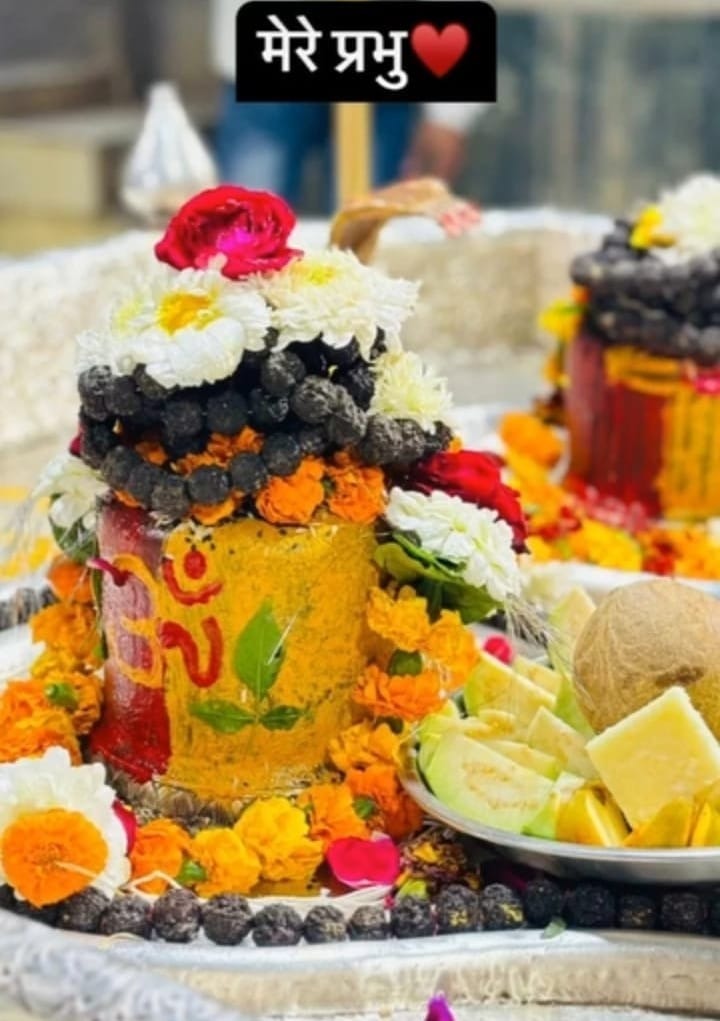
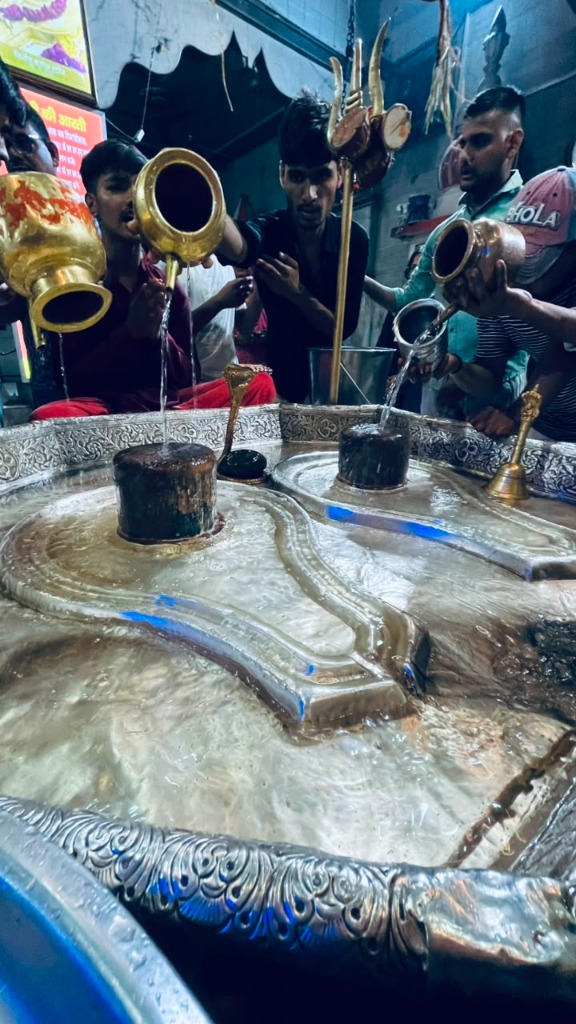
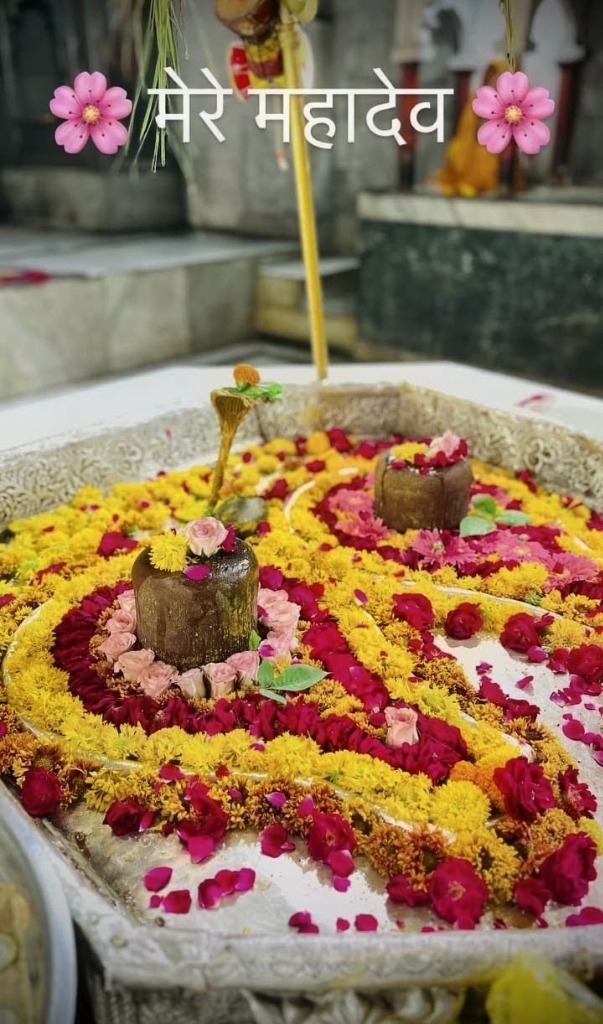
The temple is renowned for its rare twin Shivlings — a phenomenon almost unparalleled in Hindu temples. According to sacred tradition, these divine Shivlings were brought from the holy Mount Kailash itself by Lord Parashurama and Sage Jamadagni, where they became permanently established and have been worshipped with unbroken devotion ever since.
Surrounded by an aura of deep spirituality, the temple serves as a major pilgrimage destination, especially during the sacred months of Shravan and the grand festival of Mahashivratri, when thousands of devotees gather to seek the blessings of Lord Shiva.
According to revered local tradition, the great warrior-sage Lord Parashurama, the sixth avatar of Lord Vishnu, along with the illustrious Sage Jamadagni, undertook a sacred pilgrimage to the heavenly abode of Mount Kailash. From those divine peaks, they brought back two sacred Shivlings, imbued with the cosmic energy of Lord Shiva himself.
Upon reaching the sacred banks of the Yamuna at Sikandra, the Shivlings became miraculously rooted to the earth, refusing to be moved further. Recognizing this as a divine sign, Parashurama and Jamadagni established the temple at this very spot, consecrating it with elaborate Vedic rituals and mantras that echoed for seven days and seven nights.
Through the rise and fall of empires, the Mughal era, and into modern India, the temple has maintained an unbroken tradition of worship. Generations of devoted priests have performed the sacred rituals without interruption, preserving the ancient practices and mantras passed down through centuries.
Today, the Kailash Mahadev Temple stands as one of Agra's most important spiritual landmarks. The temple has been lovingly restored and expanded, with modern amenities added for the comfort of the ever-growing number of devotees. Under the stewardship of the Goswami family, the temple continues its sacred mission of bringing Lord Shiva's blessings to all who seek them.
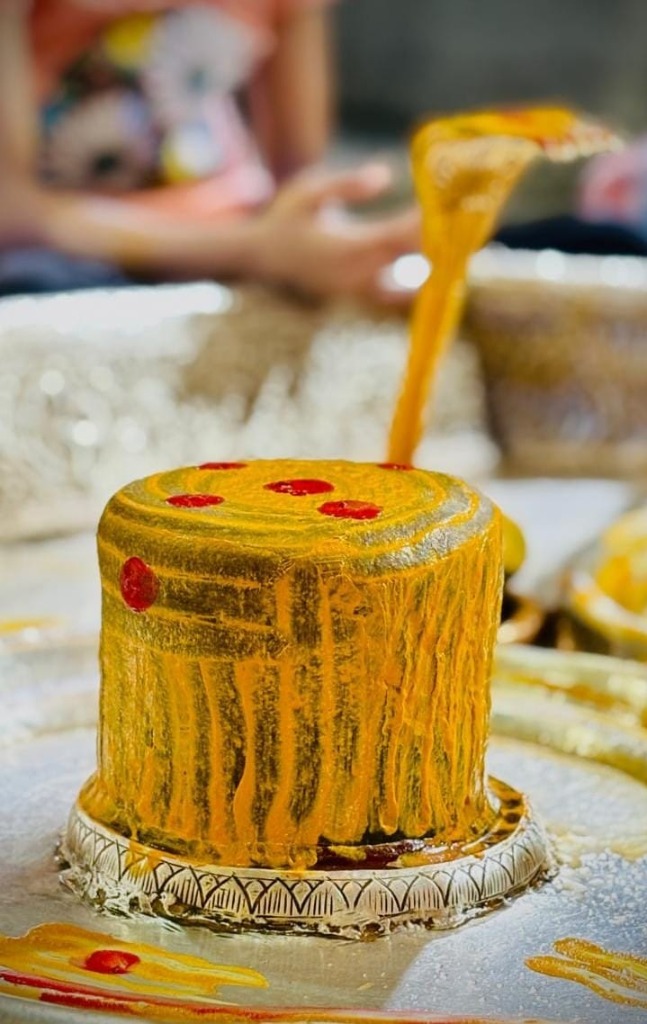
The temple houses two sacred Shivlings in a single sanctum — an extraordinarily rare occurrence in Hindu temples. Devotees believe these twin lingams represent the dual aspects of Lord Shiva: the destroyer and the regenerator, making the temple doubly powerful for prayers and offerings.
The direct lineage from Mount Kailash — the celestial abode of Lord Shiva — makes these Shivlings uniquely sacred. Worshipping here is believed to bestow the same spiritual merit as a pilgrimage to Kailash Mansarovar itself.
As the temple was established by Lord Parashurama — an avatar of Vishnu — it holds the unique distinction of being blessed by both Vaishnavite and Shaivite traditions, making it a place of universal Hindu worship and harmony.
Located near the sacred Yamuna River, devotees can perform ritual ablutions before temple worship, combining the purifying power of the holy river with the divine energy of the Shivlings for maximum spiritual benefit.
Countless devotees testify to the miraculous wish-fulfilling power of the twin Shivlings. Prayers offered here with sincere devotion are believed to be answered with extraordinary grace, especially during Shravan and Mahashivratri.
The temple is renowned for its spiritual healing energy. Many devotees report experiencing deep inner peace, resolution of long-standing problems, and physical healing after performing abhishekam (ritual bathing) of the sacred Shivlings.
The first sacred offering of the day. The temple doors open with the ringing of bells as the priests perform the auspicious morning aarti to awaken Lord Shiva.
The sacred ritual bathing of the twin Shivlings with milk, honey, curd, ghee, and holy water, accompanied by Vedic chanting of Rudra mantras.
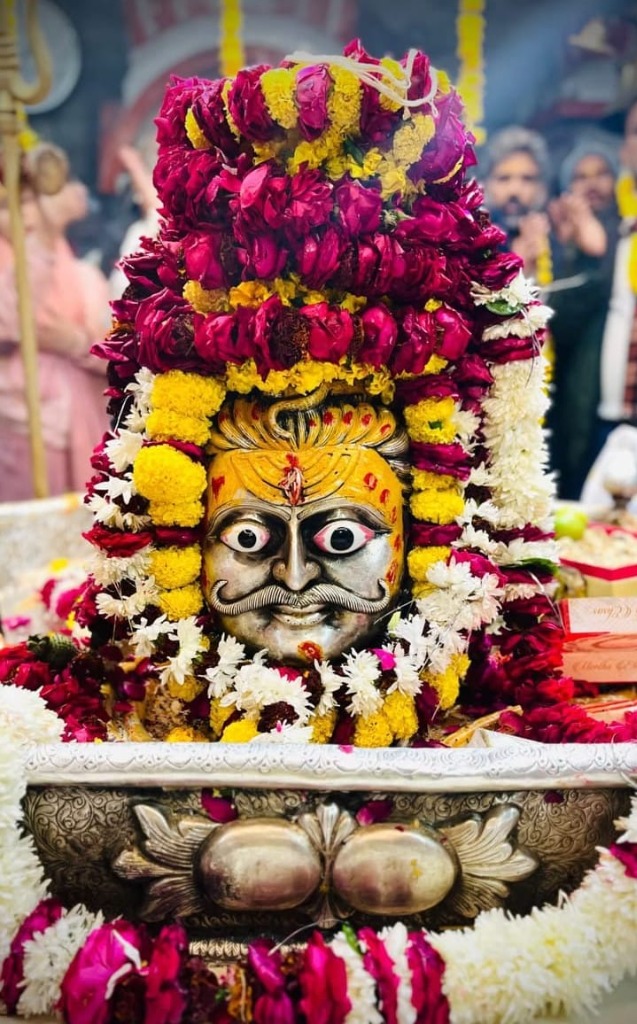
The Shivlings are adorned with fresh flowers, bilva leaves, and sacred ornaments. Prasad of fruits and sweets is offered to the deity.
The midday aarti performed with incense, camphor, and five-flame lamp, invoking the blessings of Lord Shiva for all devotees present.
The magnificent evening aarti is the highlight of the day. The sanctum glows with the light of dozens of oil lamps as devotees join in singing Om Namah Shivaya.
The final aarti of the day. Lord Shiva is offered the night prayers before the temple sanctum is ceremonially closed for the night.
The grandest celebration of the year. The temple remains open throughout the night as thousands of devotees perform jalabhishekam on the sacred twin Shivlings. Special decorations, bhajans, and a magnificent procession mark this cosmic night of Lord Shiva. The entire Sikandra area transforms into a vibrant spiritual fair.
The entire holy month of Shravan sees the temple bustling with devotees. Every Monday (Somvar) is particularly auspicious, with special prayers and elaborate abhishekam ceremonies. Kanwariyas (pilgrims carrying holy Ganga water) visit the temple to pour sacred water on the Shivlings.
The annual Kailash Mela is a grand spiritual and cultural fair organized by the temple. It brings together devotees, saints, and cultural performers from across the region. The mela features religious discourses, cultural programs, wrestling competitions, and a vibrant marketplace.
The nearest airport is Pandit Deen Dayal Upadhyaya Airport, Agra (AGR), located approximately 18 km from the temple. Alternatively, Indira Gandhi International Airport, New Delhi (DEL) is about 220 km away with excellent road connectivity. Taxis and cab services are readily available from both airports.
Agra Cantt Railway Station is the nearest major station, approximately 12 km from the temple. Agra Fort Station is another option at about 10 km. Both stations are well-connected to Delhi, Mumbai, Jaipur, and all major Indian cities. The Gatimaan Express from Delhi takes just 1 hour 40 minutes.
Sikandra is located on the Agra-Delhi National Highway (NH-19) and is easily accessible by road. The temple is just 10 km from Agra city center. Regular bus services, auto-rickshaws, and taxis are available. From Delhi, the Yamuna Expressway offers a smooth 3-hour drive.
The iconic UNESCO World Heritage Site and symbol of eternal love, just 15 km from the temple.
~15 kmThe magnificent Mughal-era red sandstone fortress, a UNESCO World Heritage Site, about 12 km away.
~12 kmThe grand tomb of Mughal Emperor Akbar, located right in Sikandra, within walking distance of the temple.
~2 kmA beautiful Mughal garden complex on the banks of the Yamuna, offering stunning views of the Taj Mahal.
~18 kmThe deserted Mughal capital city with stunning architecture, a UNESCO World Heritage Site.
~40 kmAnother ancient and revered Shiva temple in Agra, known for its beautiful architecture and spiritual ambiance.
~10 kmThe temple is uniquely famous for its rare twin Shivlings — two sacred lingams in a single sanctum — which, according to tradition, were brought directly from Mount Kailash by Lord Parashurama and Sage Jamadagni. This phenomenon is almost unparalleled in Hindu temples across India.
The temple is generally open from 5:00 AM to 10:00 PM in summer and 6:00 AM to 9:00 PM in winter. During the sacred month of Shravan, the timings are extended from 4:00 AM to 11:00 PM. On Mahashivratri, the temple remains open for 24 hours.
No, there is no entry fee to visit Kailash Mahadev Temple. The temple is open to all devotees free of charge. Special pooja services are available at nominal charges for those who wish to perform specific rituals.
While the temple welcomes devotees year-round, the most auspicious times to visit are during Shravan (July-August) — especially on Mondays — and during the grand Mahashivratri festival. The winter months (October to March) also offer pleasant weather for visiting.
Kailash Mahadev Temple in Sikandra is approximately 15 km from the Taj Mahal. The drive takes about 30-40 minutes depending on traffic. Many visitors combine their Taj Mahal visit with a darshan at this sacred temple.
Yes, the temple offers various special pooja services including Rudrabhishekam, Mahamrityunjaya Jaap, and Special Shringar Pooja. You can contact the temple management or Mr. Dheeraj Goswami at +91 79066 33162 to arrange special poojas.
Yes, there is parking space available near the temple for two-wheelers and four-wheelers. During major festivals like Mahashivratri and Shravan, additional parking arrangements are made to accommodate the large number of devotees.
Mr. Dheeraj Goswami (Sangam Goswami)
Mr. Vipin Goswami
Kailash Mahadev Temple,
Sikandra, Agra,
Uttar Pradesh, India
Open Daily: 5:00 AM – 10:00 PM